 By
By Steam boilers play a crucial role in providing stable and cost-effective heating solutions for various industries. Their ability to generate and maintain consistent steam pressure makes them ideal for processes that demand precise temperature control. Whether in manufacturing, food processing, chemical production, or healthcare, steam boilers help maintain efficiency and reduce operating costs. By converting water into steam through controlled heating, these systems offer a reliable source of energy that supports many critical operations. Their flexibility and scalability further enhance their value, making them a preferred choice for businesses seeking long-term, affordable heating solutions.
Benefits of Steam Boilers in Process Heating
- Stable Heat Supply: Steam boilers deliver uniform heat, which is essential for processes that require exact temperature control.
- Cost Efficiency: They use fuel efficiently and reduce energy wastage, lowering overall heating expenses.
- Versatility: Applicable across multiple sectors like food production, pharmaceuticals, textiles, and power generation.
- Scalability: Systems can be sized and adapted based on demand, supporting small to large operations.
- Low Maintenance: Modern steam boilers require minimal upkeep, reducing downtime and repair costs.
How Steam Boilers Support Multiple Sectors
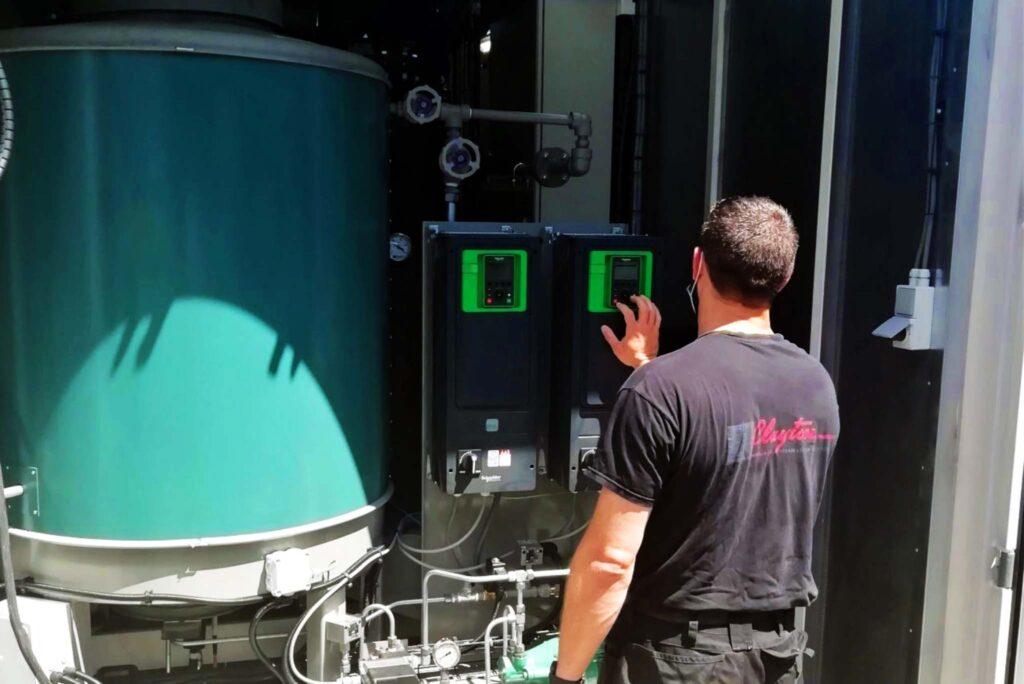
- Manufacturing: Steam boilers provide the heat necessary for metal processing, assembly, and equipment sterilization. Their steady output ensures production lines run smoothly without interruptions and go now https://netizensreport.com/how-industrial-steam-boilers-work-a-complete-guide/.
- Food and Beverage: Controlled steam heats cooking vessels, pasteurizes products, and sterilizes containers, ensuring food safety and quality.
- Chemical Industry: Precise heating supports chemical reactions, distillation, and drying processes, maintaining product consistency.
- Healthcare: Hospitals use steam boilers for sterilizing instruments, heating, and humidification, ensuring a hygienic environment.
- Textiles: Steam assists in fabric dyeing, drying, and finishing, enhancing product appearance and durability.
Cost-Effectiveness Through Energy Efficiency
Steam boilers are designed to maximize energy use. Their insulation and combustion technology help retain heat and convert fuel into steam with minimal loss. This efficiency reduces fuel consumption and lowers operational costs. Additionally, many steam boilers can utilize alternative fuels, further cutting expenses.
Reliability and Safety Features
Modern steam boilers come equipped with safety mechanisms like pressure relief valves and automated controls to prevent accidents and ensure stable operation. Reliable performance reduces unplanned shutdowns, protecting production schedules and minimizing financial losses.
Environmental Benefits
By optimizing fuel use and reducing emissions, steam boilers contribute to greener operations. They support sustainable practices by using clean-burning fuels and adapting to renewable energy sources when available.
Final Thoughts
Steam boilers provide consistent and controlled heating across industries.
- They reduce costs through efficient fuel use and low maintenance needs.
- Their adaptability supports diverse sectors including manufacturing, food, chemicals, healthcare, and textiles.
- Safety features ensure reliable and secure operation.
- Energy efficiency and environmental benefits make them sustainable heating solutions.
Steam boilers remain an essential part of industrial heating, delivering steady performance and cost savings that support business growth and operational success.